Actual inspection examples

Real inspection findings.
Specific, visible details.

These anonymized examples are based on two supplied QC reports. They show how product dimensions, workmanship and construction details can be documented. Findings are presented as recorded at inspection; later corrective action has not been verified.

Case 01 · Dining table

Extendable dining table & ceramic top

Inspection date recorded in source report: May 19, 2025

The inspection recorded workmanship, operation and dimensional issues that could affect the buyer’s expected product specification and use.

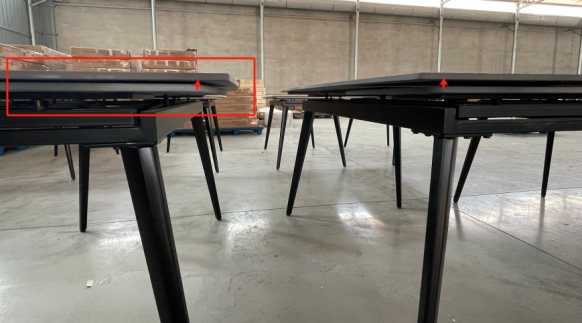
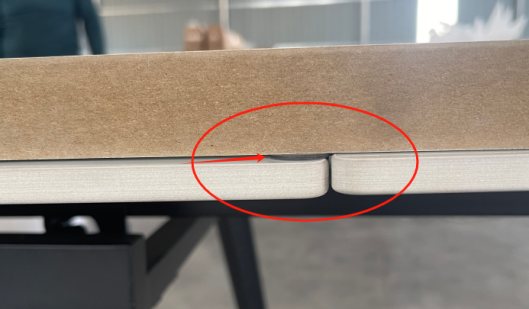
Extension alignment: Extension sections were not level with the middle section. The report requested repair so the difference would be less than one spacer thickness.
Extension mechanism: The extension section was too tight to pull out. Adjustment was requested.
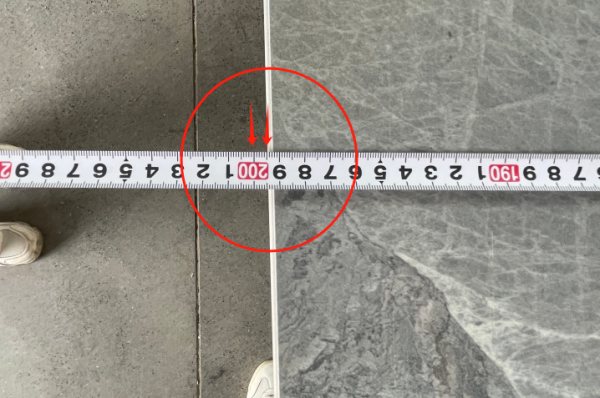
Ceramic top dimensions: The top was recorded as approximately 3–5 mm undersized against the specified dimensions.
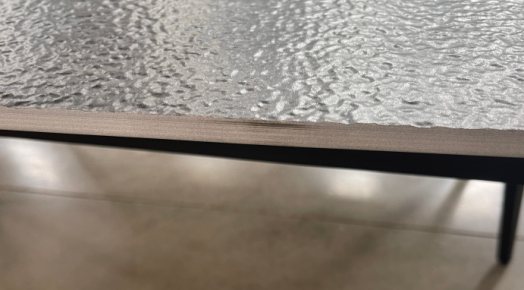
Other findings: Some table edges were not clean, and tape stickers were partially detached. The report requested better finishing and sticker attachment.

What this demonstrates

  • Comparing measured dimensions with specified requirements
  • Checking alignment and operation of moving table parts
  • Recording visible finishing issues with photo evidence
  • Documenting corrective actions requested from the factory

The source report records requested corrective actions; this page does not claim that the factory completed them.
Case 02 · Upholstered chair

Upholstery, dimensions & frame protection

The source report states May 28; year not specified.

The inspection recorded appearance, dimensional, label and construction-related concerns on upholstered chairs.

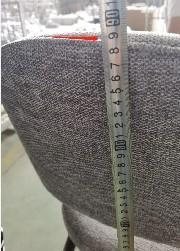
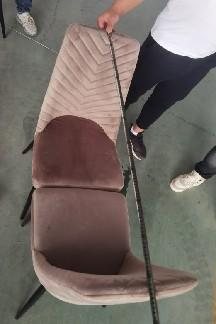
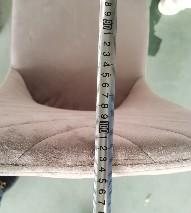
Dimensional discrepancy: The measured depth was 52.5 cm while the printed shipping mark stated 56 cm.
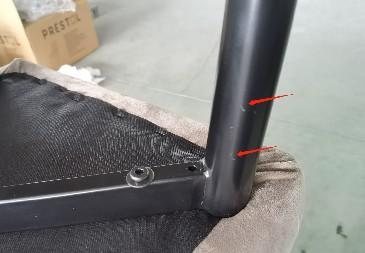
Frame edge: Internal square-tube edges were described as sharp enough to risk damaging fabric. The report requested added protection at tube ends.
Upholstery and finish: Wrinkles, an uneven backrest surface, loose thread ends and scratches were recorded.
Foam concern: The report noted that the seat felt thin when sitting and asked the factory to pay attention to density. It did not record a completed density test.
Labels: A discrepancy between measured height and printed markings was recorded, with corrected labeling requested.

What this demonstrates

  • Checking dimensions against labels and shipping marks
  • Looking for frame features that could damage upholstery
  • Recording appearance and workmanship defects
  • Separating observed findings from items needing further testing

Foam density and other technical properties require an agreed test method and suitable equipment; they should not be inferred from appearance alone.

Your order, your checklist

Need checks at multiple factories?

Tell us the factory locations, furniture types, order quantities and planned loading date. We will assess the scope and provide a quote before scheduling.

Please confirm product specifications and acceptance criteria before inspection.